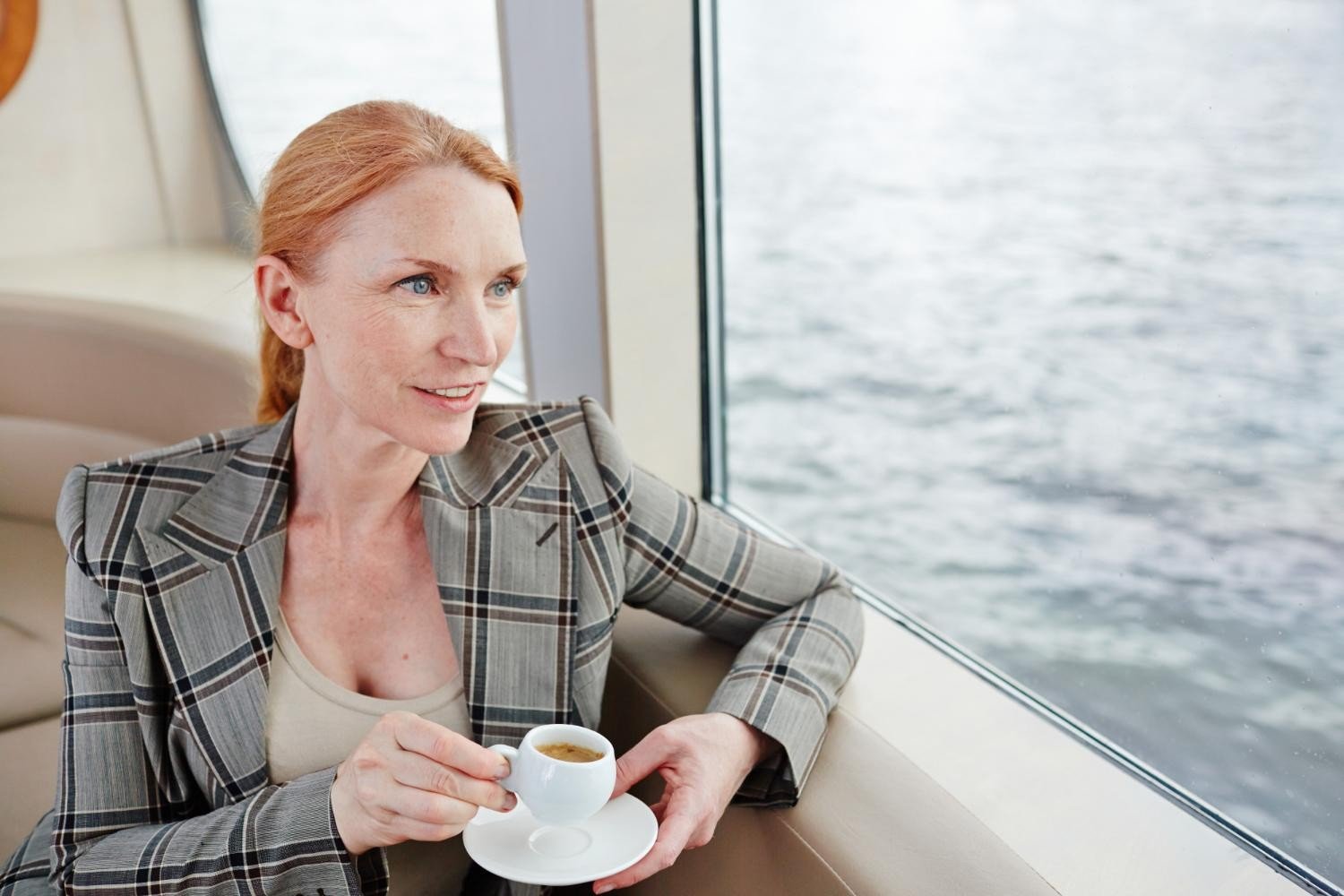

Spending time on the water often means spending hours under direct sunlight. While open views and bright surroundings are part of the appeal of boating, prolonged exposure to sunlight can make the cabin or seating area uncomfortably warm. Glare can also make it harder to see screens, instruments, and reflective surfaces.
Sunlight can affect more than comfort. Extended exposure to ultraviolet radiation may contribute to fading and deterioration of upholstery, flooring, dashboards, curtains, and other interior materials. For boat owners who spend considerable time on the water, managing sunlight can help make the experience more comfortable while also protecting the interior.
Boat window tint can be used on suitable glass surfaces to reduce glare, manage sunlight, and filter UV exposure. The right film can provide these benefits while maintaining visibility and the appearance of the vessel.
Choosing a film for a boat requires more consideration than simply selecting a shade that looks good. Marine environments expose materials to sunlight, moisture, temperature changes, and frequent cleaning. Understanding these factors can help boat owners make a more suitable choice.
Managing Heat Inside the Boat
Glass allows sunlight to enter the cabin, and direct solar exposure can quickly increase the temperature inside an enclosed area. This can be particularly noticeable on boats with large windshields, cabin windows, or extensive side glass.
A suitable tint can reduce the amount of solar energy entering through the windows. This may help make enclosed areas more comfortable during sunny conditions.
Reducing heat can also make it easier to enjoy the cabin without relying entirely on ventilation or cooling equipment. The actual effect depends on the type of film, glass construction, window size, weather conditions, and amount of direct sunlight.
Boat owners should consider which windows receive the most exposure before deciding where tinting is needed.
Reducing Glare on the Water
Water reflects sunlight, which can create intense glare around a vessel. Reflections can appear on windshields, side windows, dashboards, screens, and other surfaces.
Strong glare can make it uncomfortable to look through the glass for extended periods. It may also make digital displays harder to read.
Tinting can reduce the intensity of incoming light and help control some of this glare. The appropriate film should still provide sufficient visibility for safe operation.
For boats that spend significant time in bright conditions, glare reduction can be one of the most practical reasons to consider window film.
Protecting the Boat’s Interior From UV Exposure
Ultraviolet radiation can affect many materials found inside a boat. Upholstery, carpets, vinyl surfaces, wood finishes, plastics, and decorative materials may gradually change when exposed to sunlight over long periods.
UV filtering film can reduce the amount of ultraviolet radiation entering through treated glass.
It cannot stop all forms of fading or deterioration, but it can reduce one source of exposure. Combining window film with other protective measures, such as covers and appropriate maintenance, can provide additional protection.
This can be particularly useful for boats with expensive interiors where replacing upholstery or other materials can be costly.
Protecting Upholstery and Seating Areas
Marine upholstery can experience considerable sun exposure, especially when windows are large and the interior remains uncovered.
Repeated exposure may contribute to fading and changes in the appearance of fabrics and vinyl. Window film can help reduce UV exposure before sunlight reaches these materials.
Tint can be especially useful for enclosed cabins where seating remains near windows throughout the day.
However, owners should still use covers when appropriate, particularly when the vessel will remain unused for extended periods.
Choosing the Right Tint Level
A darker film is not automatically a better film. The appropriate shade depends on the boat’s design, window position, intended use, and visibility requirements.
A very dark tint may reduce glare and sunlight effectively, but it can also reduce visibility, particularly under low light conditions.
This matters for boats that operate early in the morning, late in the evening, or during changing weather conditions.
Before selecting a shade, consider:
- How the boat is normally used
- Whether the windows are used for navigation
- How much direct sunlight reaches the glass
- The level of glare experienced
- Desired interior appearance
- Visibility during lower light conditions
- The type of glass already installed
The goal should be to find a balance between sunlight control and clear visibility.
Windshields Require Special Attention
The windshield is one of the most important glass surfaces on a boat because visibility can directly affect operation.
Any film applied to a windshield should be selected with visibility and local requirements in mind. Excessively dark film may not be suitable for every application.
A professional assessment can help determine whether a particular film is appropriate for the windshield and other navigation related windows.
Side windows and cabin glass may offer more flexibility, depending on the vessel’s design and intended use.
Boat Window Tint and Interior Appearance
Tint can also change the overall appearance of a boat. A consistent film across suitable windows can create a cleaner and more uniform look.
Some owners prefer a subtle appearance that preserves the original character of the vessel. Others may prefer a darker appearance that provides stronger sunlight control.
The film should complement the boat rather than overpower its design.
The appearance from both inside and outside should be considered before installation, particularly when the boat has large areas of glass.
Marine Conditions and Film Selection
Boats operate in an environment that can be harder on materials than many residential or commercial applications. Saltwater, moisture, heat, strong sunlight, and frequent cleaning can all affect the longevity of window film.
For this reason, marine applications require a film that is appropriate for the conditions in which it will be used.
The installer should also evaluate the existing glass and any previous film or coating. Compatibility is important because different types of glass can respond differently to solar heat.
A professional installation can help identify potential issues before the film is applied.
Why Professional Installation Matters
Installing film on a boat can involve curved glass, tight edges, unusual window shapes, and difficult access points.
These factors can make marine installations more demanding than applying film to simple flat windows.
Proper preparation is essential. Glass should be thoroughly cleaned before the film is applied so that dust and debris do not become trapped beneath the material.
Careful application also helps reduce visible bubbles, creases, and uneven edges.
Professional installers can assess the windows and determine the best way to handle curved or unusually shaped glass.
Maintaining Tinted Boat Windows
Proper maintenance can help preserve both the film and the appearance of the glass.
Cleaning should generally be performed with materials that will not scratch or damage the film. Abrasive pads and aggressive cleaning methods can affect the surface.
Boat owners should also pay attention to salt and mineral deposits. Regular cleaning can prevent buildup from becoming difficult to remove.
Following the film manufacturer’s care recommendations is the safest way to maintain the installation.
When Should Boat Windows Be Tinted?
There is no single ideal time for every boat. Tinting may be considered when purchasing a new vessel, during an interior refurbishment, or when existing windows begin creating comfort and glare concerns.
Some owners may decide to tint only the windows receiving the strongest sunlight. Others may prefer a consistent appearance across several sections of the boat.
A room by room approach is not applicable in the same way as it is for a home, but a window by window assessment can still be useful.
Identify the glass surfaces that create the most heat, glare, or UV exposure and prioritize those areas.
Combining Tint With Other Sun Protection
Window film works well as part of a broader approach to sunlight management.
Other measures may include:
- Using fitted covers when the boat is not in use
- Keeping curtains closed during extended periods of direct sunlight
- Maintaining ventilation in enclosed areas
- Protecting exposed upholstery
- Cleaning windows regularly
- Inspecting film for signs of damage
These measures can work alongside tinting to help manage sunlight and protect the interior.
Is Boat Window Tint Worth Considering?
For boat owners who regularly deal with strong sunlight, glare, or fading interiors, window film can provide several practical benefits.
The value depends on how often the vessel is used and how much sunlight reaches the windows. A boat used frequently in bright conditions may benefit more than one that spends most of its time stored indoors.
The cost should also be considered alongside the potential value of protecting interior materials and improving comfort.
Rather than focusing only on appearance, consider the problems the film is intended to solve.
Frequently Asked Questions
What is boat window tint?
Boat window tint is a film applied to suitable marine glass surfaces to help control sunlight, glare, and UV exposure. Different films provide different levels of visible light transmission and solar control.
Can window tint reduce heat inside a boat?
Solar control film can reduce the amount of solar energy entering through the glass, which may help reduce heat buildup in enclosed areas.
Does boat window tint block UV rays?
Many window films are designed to filter a significant amount of UV radiation. The exact level depends on the specific film selected.
Can tint make a boat cabin more comfortable?
Reducing direct sunlight, glare, and solar heat can make enclosed areas more comfortable, especially during periods of strong sun.
Should the windshield have the same tint as other boat windows?
Not necessarily. The windshield has important visibility requirements, so the appropriate film may differ from what is suitable for side or cabin windows.
Can boat window tint prevent upholstery from fading?
It can reduce UV exposure through treated glass, which may help slow fading. However, it cannot completely prevent material deterioration caused by sunlight and other environmental factors.
How should tinted boat windows be cleaned?
Use cleaning methods recommended for the installed film. Avoid abrasive materials and harsh methods that could scratch or damage the film.
Improving Comfort While Protecting the Interior
Time on the water should be enjoyable, but strong sunlight can create heat, glare, and prolonged exposure to UV radiation. These issues can affect both comfort and the condition of the boat’s interior.
Boat window tint provides a practical option for managing sunlight through suitable glass surfaces. It can help reduce glare, control solar heat, and filter UV exposure while maintaining the vessel’s overall appearance.
The right film depends on the boat, its glass, the areas receiving the most sunlight, and the visibility requirements of each window. Professional assessment and installation can help ensure that the selected film is appropriate for marine conditions.
For owners who spend significant time on the water, thoughtful window tint selection can make enclosed areas more comfortable while helping protect the interior from prolonged sun exposure.