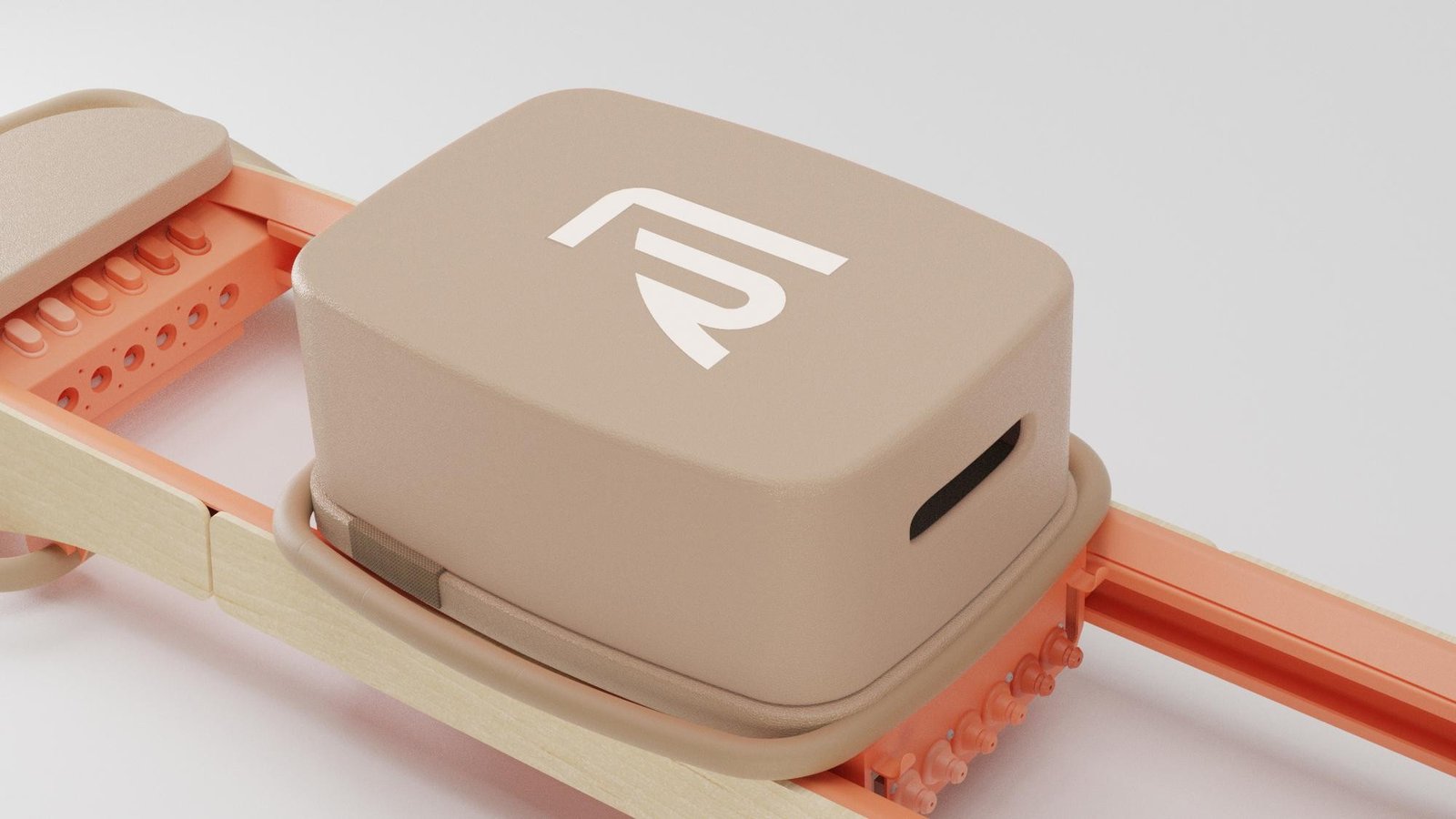

Pilates reformer equipment offers a versatile way to practise controlled movements, improve coordination, and develop strength. While the reformer itself supports a wide range of exercises, accessories can make workouts more varied and comfortable. A sitting box is one such accessory, providing an elevated padded surface for selected seated movements and other exercises approved for the equipment.
Choosing the right accessory involves more than checking its appearance. Its dimensions, padding, stability, construction, and compatibility with the reformer all influence how effectively it can be used. Understanding these features can help you select equipment that suits your exercise routine and available space.
A Pilates sitting box can be particularly useful for people who want to explore different positions on their reformer. However, the benefits depend on the box design, the exercises being performed, and the user’s ability to maintain proper technique.
What Is a Pilates Reformer Sitting Box?
A Pilates reformer sitting box is a padded accessory designed to provide an elevated surface for certain exercises performed on a compatible reformer. It is commonly positioned on the carriage according to the manufacturer’s instructions.
The box changes the height and positioning of the body during selected movements. Depending on its design, it may support seated exercises, controlled arm movements, and other approved variations.
Some boxes are designed for longer body positions, while others may be more compact. Their dimensions, weight, padding, and attachment arrangements vary by model.
Before purchasing one, confirm that it is suitable for your reformer. An accessory that appears similar to another model may not fit securely or support the same exercises.
Why Is a Sitting Box Useful for Reformer Exercises?
A sitting box can offer several practical advantages when used correctly.
1. Provides an Elevated Sitting Surface
The most obvious purpose of a sitting box is to provide an elevated surface for appropriate seated exercises. This changes the relationship between the body and the reformer’s carriage, allowing certain movements to be performed from a different position.
Depending on the exercise, the elevated position may help you organise your posture and focus on controlled movement.
However, an elevated position does not automatically improve technique. The box must be stable, correctly positioned, and appropriate for the intended exercise.
2. Adds Variety to Upper Body Exercises
Some reformer exercises involve pulling or pressing movements using handles attached to the resistance system. A compatible sitting box can provide a suitable position for selected seated variations.
These movements may involve the arms, shoulders, upper back, and muscles that help stabilise the trunk.
For example, a seated rowing exercise may require you to maintain an upright position while pulling the handles towards your body and returning them slowly.
The aim is to maintain control throughout the movement rather than relying on momentum.
3. Supports Postural Awareness
Pilates emphasises alignment, breathing, and controlled movement. Seated exercises on a box can provide an opportunity to practise maintaining a comfortable trunk position while the arms move against resistance.
You can focus on keeping your shoulders relaxed, your spine comfortably aligned, and your movements smooth.
Good posture should not involve rigidly holding the body in an uncomfortable position. Instead, aim for a stable and natural alignment that allows you to breathe comfortably throughout the exercise.
4. Creates More Exercise Options
Accessories can expand the range of positions available during reformer workouts. Depending on the box and machine, suitable exercises may include seated arm movements, selected upper body routines, and other instructor approved variations.
This flexibility can help you organise different workouts without changing your main piece of equipment.
Always check the exercise instructions before trying a new position. A movement that is suitable for one box may not be appropriate for another design.
Features to Look for in a Pilates Reformer Sitting Box
Choosing a suitable box requires attention to several important features.
Size and Dimensions
The box should fit the intended reformer and provide enough surface area for its approved exercises.
Before purchasing, check its length, width, and height. Compare these measurements with the manufacturer’s recommendations for your reformer.
Consider your body size and the exercises you plan to perform. A box that is too small may feel restrictive, while one that is too large may interfere with the carriage or other components.
Padding and Comfort
Padding can influence comfort during seated and supported exercises. Look for a surface that provides appropriate support without feeling excessively soft or unstable.
Check the upholstery material, stitching, and finish. A well maintained surface should be free from tears, exposed internal material, or other visible damage.
Comfort is important, but it should never replace the need for proper positioning and stable equipment.
Construction and Stability
The box should be designed for its intended use and should remain secure when positioned according to the manufacturer’s instructions.
Review the construction materials, weight specifications where applicable, and recommended operating conditions.
Avoid accessories that shift unexpectedly, show structural damage, or fail to fit the reformer correctly.
Compatibility With Your Reformer
Not every sitting box is suitable for every reformer. Differences in dimensions and construction may affect how the accessory sits on the carriage.
Confirm compatibility before purchasing. If the manufacturer provides a list of compatible models, use that information rather than relying on appearance alone.
Cleaning and Maintenance
Because the box comes into contact with the body, its surface should be easy to clean according to the manufacturer’s instructions.
Regular inspection can help identify damaged upholstery, loose seams, or other problems that may affect comfort and usability.
Exercises You Can Perform With a Sitting Box
The following examples illustrate how a sitting box may be used during appropriate reformer exercises. The exact setup depends on your machine, box design, and experience. Learn the correct positioning before attempting unfamiliar movements.
1. Seated Arm Pulls
Seated arm pulls can help you practise controlled pulling movements while maintaining a stable trunk position.
To perform an appropriate variation:
- Position the box securely as instructed.
- Sit comfortably with your body aligned.
- Hold the handles if the exercise requires them.
- Pull through the prescribed range without leaning excessively.
- Return slowly while controlling the resistance.
The movement may involve the upper back, shoulders, and arms. Use a resistance level that allows smooth movement without straining your shoulders.
2. Seated Rowing Movements
Seated rowing exercises involve pulling handles towards the body and returning them under control.
The sitting box may provide a suitable elevated position for certain rowing variations.
Focus on keeping your shoulders relaxed and your trunk stable. Avoid rounding your back excessively or using momentum to complete each repetition.
If you are a beginner, ask a qualified instructor to demonstrate the appropriate setup and movement pattern.
3. Seated Postural Exercises
Some Pilates routines include seated movements that encourage body awareness and controlled trunk positioning.
With the box correctly positioned, you may practise maintaining a comfortable upright posture while moving your arms through a prescribed range.
The aim is to develop control without becoming overly rigid. Keep breathing naturally and stop if the position causes discomfort.
4. Controlled Upper Body Resistance Exercises
Depending on the reformer and the accessory, selected upper body exercises may be performed from a seated position.
These exercises can involve pressing, pulling, or moving the arms while maintaining a stable base.
Always verify that the movement is approved for your equipment. Avoid adding resistance or changing the position simply to make an exercise more challenging.
How to Choose the Right Sitting Box for Your Needs
The right choice depends on your equipment, exercise preferences, and practical requirements.
Identify Your Intended Exercises
Before purchasing, decide which movements you want to perform with the box. This helps you determine whether you need a particular size, height, or design.
If you already use a reformer, review its exercise guide to identify compatible accessories.
Check Your Available Space
Although the box itself may be relatively compact, it needs a suitable place for storage when not in use.
Measure your available storage area and consider whether you can keep the accessory in a clean, dry location away from damage.
Compare Product Specifications
Review dimensions, materials, weight specifications, and compatibility information before making a decision.
If any detail is unclear, contact the manufacturer or seller rather than assuming the accessory meets your requirements.
Consider Long Term Use
A suitable box should remain practical as your routine develops. Consider construction quality, surface durability, cleaning requirements, and access to support if the accessory becomes damaged.
Pay attention to the manufacturer’s warranty terms and any conditions that apply to normal use.
Common Mistakes to Avoid
Even a simple accessory requires proper selection and handling. Avoid these common mistakes:
- Buying a box without checking reformer compatibility
- Choosing the wrong dimensions for your equipment
- Assuming every box supports the same exercises
- Using a damaged or unstable accessory
- Ignoring cleaning and maintenance instructions
- Attempting unfamiliar movements without learning the correct setup
- Standing or balancing on the box without explicit manufacturer approval
Taking time to understand the equipment can help you avoid unnecessary purchases and use the accessory more effectively.
Tips for Using a Sitting Box Safely
Before beginning a workout, check that the box is correctly positioned and that the reformer is stable. Inspect the surface and surrounding equipment for visible damage.
Follow these basic guidelines:
- Read the manufacturer’s instructions before use.
- Begin with simple exercises suited to your experience.
- Maintain comfortable alignment throughout each movement.
- Use resistance that allows you to remain in control.
- Avoid sudden movements or uncomfortable positions.
- Keep the area around the reformer clear.
- Stop if you experience pain, dizziness, or unusual discomfort.
If you have an existing injury or medical condition that affects your ability to exercise, seek appropriate professional advice before starting a new routine.
Frequently Asked Questions
1. What is a Pilates reformer sitting box used for?
A sitting box provides an elevated padded surface for selected seated and other approved reformer exercises. It can change body positioning and add variety to a workout.
2. Is a sitting box necessary for reformer Pilates?
No. Many reformer exercises can be performed without a sitting box. It is an optional accessory for users who want to practise additional movements supported by their equipment.
3. Can beginners use a sitting box?
Beginners can use a compatible box for appropriate exercises after learning the correct setup. Starting with simple movements and following professional guidance can help establish proper technique.
4. How do I know whether a sitting box fits my reformer?
Check the manufacturer’s compatibility information and compare the box dimensions with your reformer’s specifications. Do not assume that accessories from different models are interchangeable.
5. How should I maintain a reformer sitting box?
Clean the surface according to the manufacturer’s instructions and inspect the padding, seams, and structure regularly. Stop using the box if damage affects its stability or condition.
6. Can I use a sitting box for standing exercises?
Only if the manufacturer explicitly confirms that the box is designed for the intended standing exercise. A padded sitting accessory should not be treated as a standing platform without specific approval.
Final Thoughts
A sitting box can be a useful accessory for people who want to add variety to their reformer workouts. It provides an elevated surface for selected seated movements and can help create different exercise positions while supporting controlled movement.
When choosing a Pilates reformer sitting box, prioritise compatibility, suitable dimensions, comfortable padding, construction quality, and clear safety instructions. These factors are more important than appearance alone.
With the correct accessory and proper technique, you can make your reformer routine more varied while maintaining a practical and comfortable workout environment. Take time to understand your equipment, follow the manufacturer’s instructions, and choose exercises that match your experience and fitness goals.