
Most organisers remember to order an accessible unit for sanitary needs at an upcoming event. Fewer think about whether that unit still works for the people who need it on the third afternoon, after rain, crowds and vendor traffic have changed the nature of the site. A handicap porta potty that stays clean and reachable for its intended users gives visitors with limited mobility real access for the whole event.
Multi-day festivals, outdoor exhibitions, tournaments and pop-up markets all bring visitors who use wheelchairs, walkers or canes, along with older guests and parents pushing prams. Planning for them means placing more than one unit near the gate. A well-placed handicap porta potty, serviced on a timely schedule and matched to the crowd, lets these visitors stay as long as everyone else.
Accessible Units Lose Ground as the Days Pass
Overflow Use Leaves the Right Visitors Waiting: Accessible units become the default choice for anyone tired of waiting, because they are roomier and look cleaner. In everyday site work, service crews see the same pattern at almost every festival. By the second evening, the unit near the main stage is busy with general traffic, and a wheelchair user has to wait far longer than anyone in the standard queue.
Soft Ground Cuts Off the Route: A unit with a level entry is only useful if the path to it stays firm. Grass turns to mud under foot traffic, cable covers create ridges, and vendor vans park wherever they can. Good barrier-free design looks at the whole route from parking to door, and on a multi-day site that route changes daily.
Dignity and Independence Built into the Site Plan
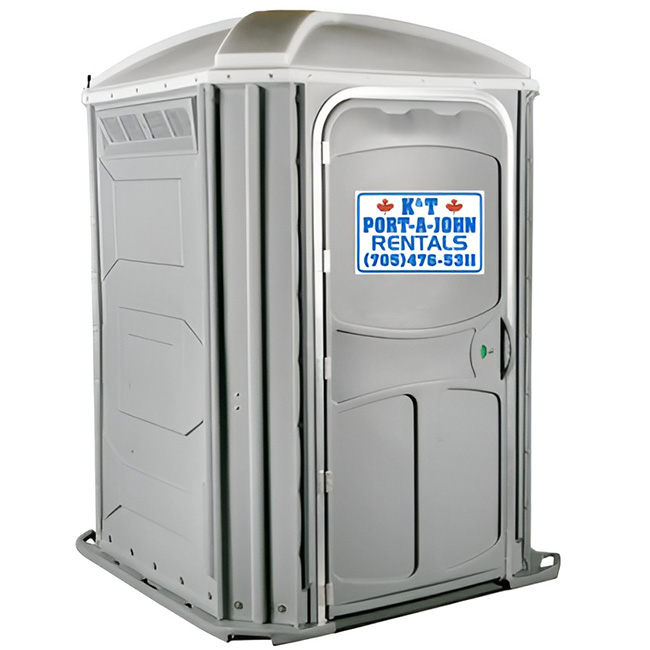
Wider Doors and Grab Bars Support Independence: A handicap porta potty gives wheelchair users a ground-level entrance, a wider door, grab bars and enough floor space to turn around and close the door behind them. Some models add a lower sink and a hook within reach. Those details let most visitors manage without help, which matters more to many people than the toilet itself.
Longer Stays and Steadier Hydration: Visitors who trust the facilities stay longer and drink enough water. People with limited mobility sometimes cut back on fluids before an outdoor event to avoid a difficult toilet trip, which raises the risk of dehydration on hot days. Reliable access removes that trade-off. Carers and family members relax too, since nobody has to cut the day short.
See also: Affordable Business Class Flight Deals for Your Next Trip
Weighing the Options before Booking
One Unit at the Gate Rarely Covers a Large Site: A single accessible unit at the entrance is the cheapest arrangement but also the weakest. On a large exhibition ground, a visitor at the far end may face a long trip each time to use this facility. Spreading accessible units through each bank of standard toilets will suit most multi-day events better, and it reflects the way disability inclusion works in practice: equal access, wherever people are.
Trailers and Indoor Washrooms Have Trade-Offs: Accessible restroom trailers offer more comfort, with ramps or lifts, sinks and lighting, but they need power, a level pad and more space. Building washrooms nearby seem convenient until the building locks for the evening or sits across a road. Standalone accessible units are the most flexible option for open grounds, and organisers can mix them with a trailer near the hospitality area.
What Waiting Costs and What Planning Returns
Late Bookings Narrow the Choices: Rental fleets carry fewer accessible units than standard ones, so peak weekends use them up first. Organisers who book late can end up with one unit for a site that needs several, or a model without the features their visitors expect. A handicap porta potty reserved early leaves room to choose the right number and the right spots.
Repeat Visitors and Smoother Permit Renewals: Good access pays off over several seasons. Visitors with disabilities and their families talk to each other, and an event known for workable facilities draws them back the next year. Some municipal permit offices ask about accessible facilities when organisers apply, and a clear record from past events makes those conversations easier. Complaints drop too, which saves staff time on site.
Placement, Servicing and Supplies Worth Checking
Day-by-Day Care for Accessible Units: Accessible units need servicing at least as often as standard toilets, and on busy sites they need it more, since everyone ends up using them. A handicap porta potty stays in good working order through a long event when the rental plan covers placement, cleaning and coordination with the other facilities. These points belong in that plan:
- Place accessible units on firm, level ground close to accessible parking, seating and first aid.
- Ask for a cleaning log on each accessible door so staff can see when it was last serviced.
- Dispensers for toilet paper and sanitiser should sit low enough for a seated user to reach.
- Clear signage saves visitors from asking staff for directions.
- Keep vendor vehicles and cable runs away from each door.
- Ground matting can protect the approach after heavy rain.
Every Visitor Welcome from Opening Day to Pack-Down
Accessible facilities that work all weekend let every visitor enjoy the event on equal terms, and organisers get fewer complaints and stronger return attendance. Waiting until the programme is final usually means fewer units and less say over where they go. Book a site walk-through with a local rental provider and plan accessible restrooms that match your venue, schedule and crowd.