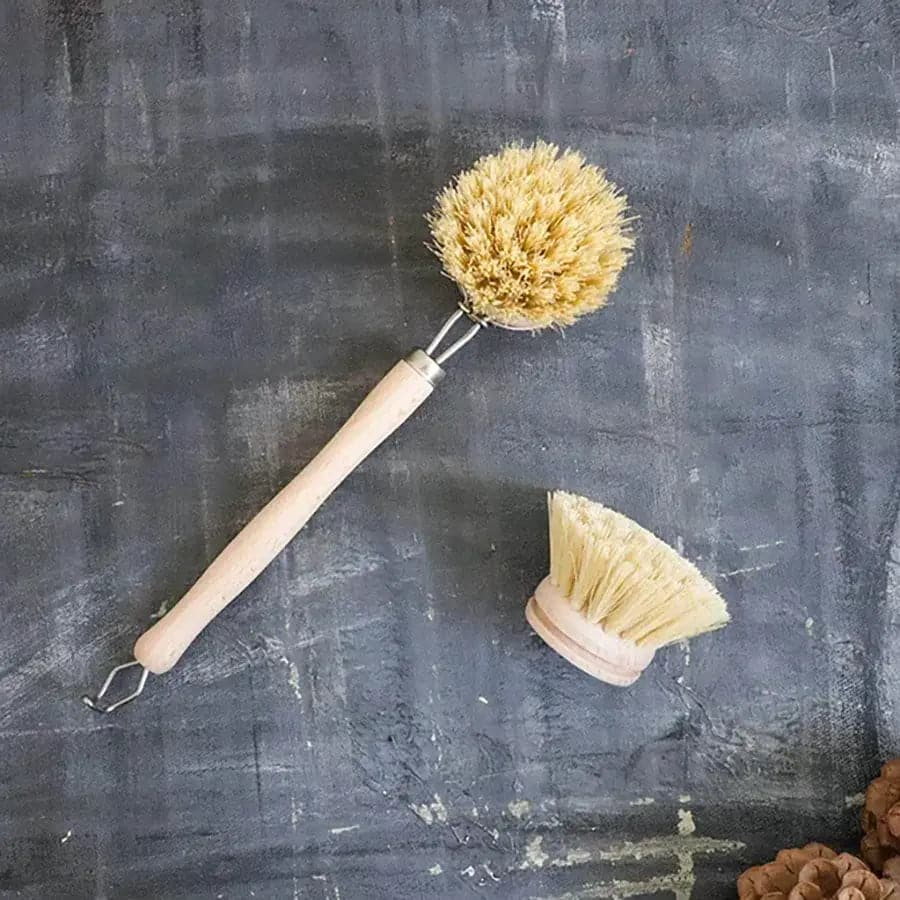

Keeping a kitchen clean involves more than wiping countertops and washing dishes. Food residue can collect around pan edges, bottle openings, sink corners, and other places that are difficult to reach with an ordinary sponge. Having the right cleaning tools makes these jobs easier and can help you maintain a more organized kitchen.
Kitchen brushes are useful for cleaning a wide range of household items, from plates and cookware to reusable bottles and narrow containers. They come in different shapes, bristle types, and sizes, with each design suited to particular tasks. Choosing the right brush can improve cleaning convenience, reduce unnecessary scrubbing, and help protect the surfaces you use every day.
Why Are Kitchen Brushes Useful?
A kitchen brush provides targeted scrubbing through bristles that loosen food particles and residue. Unlike a flat sponge, a brush may reach into corners, grooves, and narrow spaces, depending on its shape.
Different brushes can also help keep cleaning tasks separate. For example, a bottle brush can be reserved for drinkware, while a dish brush can handle plates and everyday cookware. Keeping dedicated tools for different jobs makes it easier to maintain a consistent cleaning routine.
A brush is not automatically more effective than a sponge in every situation. The best option depends on the surface, the type of residue, and how much pressure is safe to apply.
Different Types of Kitchen Brushes
Understanding the main types of brushes can help you choose practical tools without filling your kitchen with products you rarely use.
1. Dishwashing Brushes
Dishwashing brushes are designed for cleaning plates, bowls, cups, and everyday kitchen utensils. Their bristles help loosen stuck-on food while allowing you to keep your hands somewhat farther away from dirty water.
Some designs have short handles for close control, while others have longer handles that provide additional reach. A comfortable grip is particularly useful if you wash dishes frequently.
Choose bristles that are firm enough to remove ordinary food residue but gentle enough for your dishes. Delicate finishes and nonstick cookware may require a softer brush or a cleaning tool specifically approved by the manufacturer.
2. Bottle Cleaning Brushes
Bottle cleaning brushes are designed to reach the interior surfaces of reusable bottles, jars, and other narrow containers. Their long handles and slim profiles help clean areas that a regular dish brush cannot reach.
Some bottle brushes have narrow heads for slim-necked bottles, while others feature wider heads for larger containers. Before buying one, check the opening diameter and interior shape of the items you use most often.
A bottle brush can be particularly useful for cleaning reusable water bottles, baby-free drink containers, storage jars, and kitchen bottles. Always follow the manufacturer’s cleaning instructions for specialized drinkware.
3. Scrubbing Brushes for Cookware
Cookware brushes can help remove food residue from pots, pans, and baking dishes. Their bristles are often sturdier than those of brushes intended for delicate tableware.
However, tougher bristles are not appropriate for every surface. Nonstick coatings, seasoned cast iron, and polished finishes can require different cleaning methods. Check the cookware manufacturer’s guidance before using an abrasive brush.
For stubborn residue, soaking the cookware in warm water with a suitable dishwashing product may reduce the amount of scrubbing required.
4. Vegetable Cleaning Brushes
Some kitchen brushes are designed for scrubbing firm produce such as potatoes, carrots, and other root vegetables. They can help remove visible dirt from the surface before cooking.
Use a clean brush intended for food preparation, and rinse produce under running water. Avoid using ordinary dishwashing brushes for vegetables, particularly if they have been exposed to detergent or greasy food residue.
Soft or delicate produce may not need brushing at all. Match the brush’s firmness to the food to avoid damaging its surface.
5. Detail Cleaning Brushes
Small detail brushes help clean narrow gaps, lid grooves, faucet edges, and other hard-to-reach places. These areas can collect residue that is easily missed during routine cleaning.
A detail brush should be used according to its intended purpose. Keep tools used for drains, waste areas, or other particularly dirty locations separate from brushes used on dishes and food-contact surfaces.
How to Choose the Right Kitchen Brush
The most useful brush is one that suits your cleaning tasks, feels comfortable in your hand, and is easy to maintain.
Consider the Bristle Material
Kitchen brushes may use synthetic bristles, natural fibers, or other materials. Each option has different characteristics.
Synthetic bristles are available in a wide range of firmness levels and are common in dishwashing and bottle brushes. Natural-fiber brushes appeal to shoppers who prefer plant-derived materials, although their durability and water resistance depend on the particular fiber and construction.
Do not assume that natural bristles are always softer or that synthetic bristles are always more durable. Review the product description and intended use before choosing.
Check the Brush Shape and Size
A wide brush head can be convenient for plates and larger cookware, while a narrow head is more suitable for bottle openings and small spaces.
Handle length also matters. Short handles offer close control, while long handles can improve reach. If you clean several types of items, a small selection of complementary brushes may be more useful than a large collection of similar designs.
Choose Appropriate Firmness
Firm bristles can help with dried-on residue, but they can also scratch certain surfaces. Softer bristles may be better for delicate dishes or routine washing.
If you are uncertain, start with a gentler brush and use a suitable soaking method for stubborn food. Avoid applying excessive pressure just to speed up the cleaning process.
Look at Handle Comfort
A brush should be easy to hold when wet. A handle that fits comfortably in your hand can make repetitive washing less awkward.
Some designs include hanging loops for storage, while others have replaceable heads. Consider whether these features offer real value for your kitchen rather than selecting a product based on features alone.
Think About Cleaning and Storage
Kitchen brushes remain in contact with water, food particles, and cleaning products. Choose a design that can be rinsed thoroughly and dried easily.
A brush with a convenient hanging loop or a ventilated holder may be easier to keep dry. If a brush has a replaceable head, check whether replacement parts are available and how they should be fitted.
You can compare different options in the kitchen brushes collection at Plantish Future when deciding which tools best fit your household cleaning routine.
How to Use Kitchen Brushes Effectively
Correct technique can improve cleaning results while reducing wear on dishes and cookware.
Remove loose food first. Scrape excess food into the bin before washing. This helps prevent residue from accumulating in the brush.
Use a suitable dishwashing product. Apply an appropriate detergent or cleaning solution for the item being washed.
Scrub with controlled movements. Work across the surface and into corners without pressing harder than necessary. For bottle interiors, rotate the brush gently to reach the sides and base.
Rinse thoroughly. Remove detergent and loosened food residue from both the item and the brush.
Allow items to dry. Place cleaned dishes on a suitable drying rack. Rinse the brush and store it where air can circulate.
For heavily soiled cookware, soaking may be more effective than prolonged aggressive scrubbing. Always consider the manufacturer’s instructions for specialty surfaces.
Cleaning and Maintaining Kitchen Brushes
A cleaning brush needs attention after use. Food particles trapped between bristles can become unpleasant if left behind, so rinse the brush thoroughly after every washing session.
Periodically inspect the bristles and handle for trapped debris, deformation, cracks, or other signs of wear. Follow the manufacturer’s directions for deeper cleaning, since not every brush can safely be placed in a dishwasher or exposed to high temperatures.
After rinsing, shake off excess water and allow the brush to dry completely. Avoid storing it in a sealed, damp container or leaving the bristles submerged in standing water.
Replace a brush when its bristles become badly bent, its handle breaks, or it can no longer be cleaned effectively. A damaged brush may be less effective and more difficult to maintain.
Common Kitchen Brush Mistakes to Avoid
A few simple habits can improve hygiene and help protect your kitchenware.
- Using one brush for every task: Keep separate tools for dishes, produce, and particularly dirty areas.
- Choosing bristles that are too abrasive: Match the brush to the surface to avoid scratches.
- Ignoring the handle and base: Food residue can collect where the bristles meet the handle.
- Leaving the brush wet: Good drainage and airflow help it dry between uses.
- Waiting too long to replace worn brushes: Frayed bristles can make cleaning less effective.
- Assuming every brush is dishwasher-safe: Follow the care instructions for the specific material and construction.
Kitchen Brushes and More Thoughtful Cleaning Habits
A cleaner kitchen does not necessarily require a cupboard full of specialized products. Start by identifying the jobs you perform most often. For many households, a dependable dish brush, a bottle brush, and a small detail brush provide useful coverage.
Material choice may also influence your purchasing decision. Some shoppers prefer brushes made with plant-derived materials, while others prioritize replaceable heads, handle design, or specific bristle firmness. The most appropriate option balances performance, durability, care requirements, and personal preference.
Whichever brush you choose, proper cleaning and storage remain important. A well-maintained tool is more likely to stay useful and perform consistently over time.
Final Thoughts
Kitchen brushes are simple tools, but choosing the right design can make everyday cleaning more manageable. Dish brushes, bottle brushes, cookware scrubbers, and detail brushes each serve different purposes, and their usefulness depends on matching the tool to the task.
Pay attention to bristle firmness, handle design, material, and maintenance requirements before purchasing. Use gentle pressure on delicate surfaces, rinse brushes after use, and allow them to dry properly.
With a small, carefully chosen set of cleaning tools, you can handle common kitchen messes more efficiently while keeping your dishes, cookware, and reusable containers in good condition.