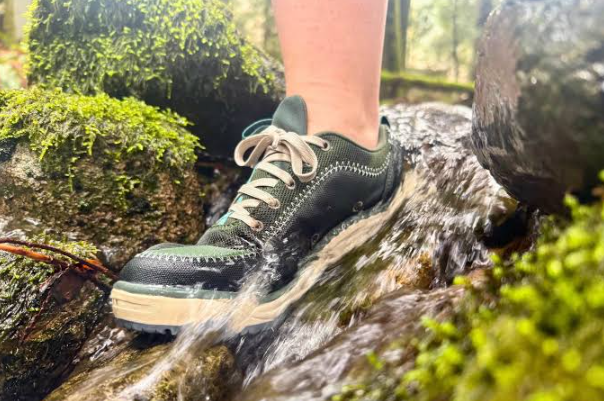

Anyone who has slipped on wet rocks, winced at sharp shells underfoot, or spent an afternoon in soggy sneakers knows the problem that water shoes solve. They protect your feet and keep their grip in and around water, all while drying quickly rather than staying waterlogged. For something so practical, there is a surprising range of types and features to understand before you buy. This guide covers what water shoes are for, the different types available, how they should fit, and how to choose the right pair for your needs.
What Are Water Shoes?
Water shoes are lightweight footwear designed for wet environments. They are typically made from quick-dry material with grippy soles and drainage holes, so water escapes quickly and the shoes dry fast rather than staying heavy and wet. In essence, they have two main jobs. The first is to protect your feet from rocks, shells, and rough or sharp surfaces, and the second is to keep their grip on slippery ground where bare feet or regular shoes would slide. Together, these qualities make them a genuinely useful piece of kit for anyone spending time near the water.
What Are Water Shoes Used For?
Water shoes come into their own across a wide range of activities. They are ideal for the beach and rockpools, where sharp shells and slippery rocks are common, and for paddling sports like kayaking and paddleboarding, where secure footing matters when launching and landing. Boaters value their grip on wet decks, and snorkellers appreciate the protection over uneven seabeds. They also suit river crossings, water parks, and poolsides. A good pair of water shoes works anywhere you move between land and water, which is exactly what makes them so versatile for holidays, adventures, and everyday use alike.
See also: How an All-in-One Platform Can Simplify Device Lifecycle Management
The Different Types of Water Shoes
There are several styles to choose from, each suited to different uses:
- Slip-on aqua socks, lightweight and easy to pack for casual use.
- Closed-toe water shoes, offering more protection for active watersports.
- Water sandals, which balance coverage with breathability.
- Hybrid water-to-trail shoes, built to handle both wet and dry terrain.
Casual beachgoers often do well with aqua socks or sandals, while those doing more active watersports or scrambling over rocks benefit from the added protection of a closed-toe or hybrid style.
How Should Water Shoes Fit?
Fit is one of the most important things to get right. Water shoes should fit snugly but not tight, with no heel slip and enough room for your toes to sit comfortably. A secure feel is especially important when they are wet, since a loose shoe can slip off in the water or when walking through mud and sand. The aim is a shoe that stays put and moves with your foot, giving you confidence on slippery or uneven surfaces without pinching or rubbing. When in doubt, prioritise a secure, snug fit over a roomy one.
Do You Wear Socks With Water Shoes?
Most water shoes are designed to be worn barefoot, and for casual use that is perfectly fine. There are situations, though, where socks add value. Quick-dry or neoprene socks can provide extra comfort, a little warmth in cooler water, and protection against blisters on longer outings. Whether you wear them comes down to personal preference and how you are using the shoes. For a quick beach dip, barefoot is usually ideal, while for a full day of activity, socks can make a noticeable difference to comfort.
Key Features to Look For
When choosing a pair, a few features make all the difference. Quick-drain holes let water escape rather than pooling inside the shoe. Quick-dry, breathable material keeps your feet from staying damp. Non-slip soles deliver the traction that keeps you safe on wet surfaces. A secure fit or fastening stops the shoe slipping off, and toe protection guards against knocks and sharp objects. A good pair will combine these features, which is what separates purpose-built water shoes from ordinary footwear that happens to get wet.
Can You Wear Water Shoes for Walking or Hiking?
This is a common question, and the answer depends on the style. Hybrid water-to-trail shoes handle light trails and water-to-land activities well, making them a good all-rounder for adventures that mix terrain. That said, dedicated water shoes are not a substitute for proper hiking boots on demanding or rocky trails, where you need more support and protection. For casual walking and easy paths they are fine, but for serious hiking, the right footwear for the job is still the better choice.
How to Care for Your Water Shoes
A little care keeps your water shoes in good condition. Rinse them with fresh water after each use, especially after exposure to salt or chlorine, which can degrade the materials over time. Dry them in a shaded, well-ventilated spot rather than in direct heat or sunlight, which can damage them. Airing them out properly also helps prevent odour from developing. These simple habits take only a moment and significantly extend the life of your shoes.
How to Choose the Right Water Shoes
Choosing the right pair comes down to a few key points. Match the type to your main activity, whether that is casual beach days or active watersports. Prioritise a secure fit and reliable grip, since these are what keep you safe and comfortable in the water. Finally, consider the conditions you will use them in, from warm tropical water to cooler coastlines. Getting these factors right ensures you end up with a pair that genuinely suits how and where you spend your time.
Frequently Asked Questions
What are water shoes used for?
They protect your feet and provide grip in and around water, across activities like beach days, kayaking, boating, snorkelling, and poolsides.
How should water shoes fit?
Snugly but not tight, with no heel slip and room for your toes. A secure fit stops them slipping off when wet.
Do you wear socks with water shoes?
Most are made to be worn barefoot, but quick-dry or neoprene socks can add comfort, warmth, or blister protection depending on use.
Can you wear water shoes for hiking?
Hybrid styles suit light trails and mixed terrain, but dedicated water shoes are not a replacement for proper hiking boots on demanding tracks.
Last Thoughts
Water shoes protect your feet and keep their grip in and around water, with different types to suit everything from casual beach days to active watersports. The right pair comes down to matching the style to your activity and prioritising fit, grip, and the conditions you will face. For anyone who spends time near the water, a good pair solves real problems that bare feet and sneakers simply cannot. Explore a water shoe range and find the pair that fits how you like to spend your time on the water.