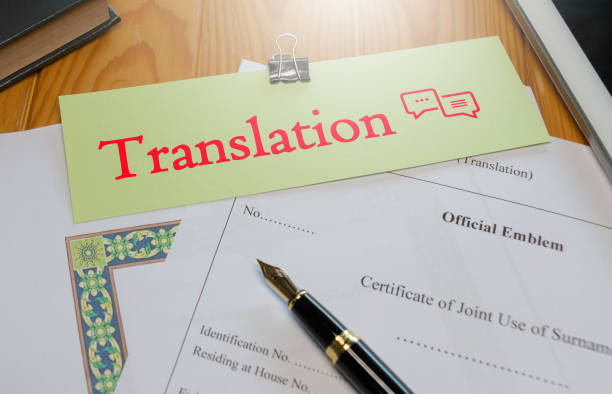

A death certificate is an important legal document used to confirm a person’s death and record details such as their full name, date of death, and place of registration. When a death is registered in another country, the certificate may be issued in a language that a UK organisation cannot readily review. In these situations, an English translation may be required.
A certified translation of a death certificate can help individuals and organisations understand the information contained in a foreign death record. It may be needed for probate, estate administration, insurance claims, pension matters, or other official procedures. However, the exact requirements depend on the organisation receiving the document and the purpose for which it will be used.
For professional support, explore our certified translation of death certificate service to find a suitable translation option based on your document and its intended use.
What Is a Certified Translation of a Death Certificate?
A certified translation is a translation accompanied by a statement confirming its accuracy. Depending on the provider and the receiving organisation’s requirements, the certification may include the translator’s or translation company’s details, the date, and relevant contact information.
The purpose is to give the receiving organisation information about who produced the translation and confirmation that it represents the original document accurately.
How Is It Different from a Standard Translation?
A standard translation provides the meaning of the original text in another language. A certified translation includes additional confirmation intended to support its use in formal situations.
For example, translating a death certificate for personal understanding may not require certification. If the document is being submitted to a solicitor, financial institution, or public authority, the organisation may request a certified version.
Does Certification Guarantee Acceptance?
No. Certification does not automatically guarantee that every organisation will accept a translation. Each receiving authority may have its own rules about the wording of the certification, translator details, document format, and any additional authentication.
Before ordering, check the instructions provided by the organisation handling your application.
When Do You Need a Certified Death Certificate Translation?
You may need a certified translation when a UK organisation requires an official understanding of a death certificate issued in another language. The most common situations involve legal, financial, and administrative matters.
Probate and Estate Administration
When someone dies abroad or their death is registered in another country, their foreign death certificate may be required to manage their estate in the UK.
A solicitor, probate professional, or relevant authority may request an English translation to review the details and establish the information recorded in the original document.
Requirements depend on the circumstances of the estate and the organisation involved. Check whether a certified translation is necessary before submitting the paperwork.
Insurance Claims and Pension Matters
Insurance providers and pension administrators may ask for a death certificate when assessing a claim, updating account records, or reviewing eligibility for benefits.
If the original document is not in English, a translation may be needed to help the organisation process the request. Some providers may require certification, while others may have different procedures.
Contact the relevant organisation to confirm its requirements and whether it needs the full certificate or a particular section.
Immigration and Family-Related Applications
A death certificate may be relevant to certain immigration or family-related applications, particularly when an applicant needs to provide evidence of a family member’s death.
For example, a foreign death record might be requested to support information provided in an application or to explain a change in family circumstances.
The required evidence varies by application type. Consult the relevant authority’s current guidance before arranging certification.
Legal Proceedings and Official Records
Solicitors, courts, public bodies, or other organisations may need to review a foreign death certificate as part of a legal or administrative process.
A certified translation can help make the contents accessible to the people assessing the document. However, a receiving organisation may also request additional documents or formalities, depending on the circumstances.
Do You Need a Certified Translation for Every Official Purpose?
Not necessarily. Whether certification is required depends on the organisation, the type of application, and the rules that apply to the document.
Some organisations accept a translation with a standard accuracy statement. Others specify particular certification wording, translator credentials, or a signed hard copy. Requirements can also differ between UK organisations and overseas authorities.
How to Confirm the Requirements
Before placing an order, contact the organisation that will receive the translation. Ask whether it requires a certified translation and whether there are any specific instructions about the format or accompanying documents.
It is useful to confirm:
- Whether the translation must be certified.
- Whether the certification needs a signature, date, or provider details.
- Whether an electronic copy is acceptable or a printed version is required.
- Whether notarisation or an apostille is specifically requested.
Getting these details in advance can help you avoid ordering an unsuitable service.
Certified vs Notarised Death Certificate Translation
Certification and notarisation are different procedures. Understanding the distinction is important because additional formalities may involve extra costs and time.
What Does Certification Confirm?
A certified translation normally includes a statement confirming that the translation is accurate. The certification is provided by the translator or translation provider, according to the service offered and the relevant requirements.
This helps the receiving organisation understand the basis on which the translation has been supplied.
When Might Notarisation Be Needed?
Notarisation generally involves a notary public performing a notarial act, such as verifying a signature or witnessing a declaration. It does not automatically confirm the linguistic accuracy of the translated text.
Some legal or international procedures may require notarisation, but it should not be assumed necessary for every death certificate translation. Confirm the exact requirement before requesting it.
Do You Need an Apostille for a Death Certificate Translation?
An apostille is a form of authentication used for qualifying public documents in circumstances covered by the relevant international arrangements. It authenticates the origin of a document, such as the signature, capacity of the signatory, or seal, rather than confirming the accuracy of its translation.
Whether an apostille is needed depends on the destination country, the document, and the receiving authority’s requirements.
Translation and Authentication Are Separate Steps
A translated death certificate and the original death certificate are not the same document for authentication purposes. The receiving authority may specify whether authentication is required for the original record, the translation, or particular supporting documents.
Do not assume that an apostille must always be obtained, or that an apostille on the original certificate automatically satisfies every translation requirement. Ask the receiving authority or a qualified professional for guidance based on your situation.
How to Arrange a Certified Translation of a Death Certificate
Once you have confirmed the requirements, arranging a translation is usually straightforward. Many providers allow customers to submit documents online and receive the completed translation digitally or by post.
Step 1: Prepare a Clear Copy
Provide a complete, readable scan or photograph of the death certificate. Make sure names, dates, registration numbers, stamps, and official notes are visible.
If the document contains information on both sides or has several pages, include all relevant sections. Poor image quality may cause delays if the provider needs a clearer copy.
Step 2: Explain the Intended Use
Tell the provider whether the translation is intended for probate, an insurance claim, a pension matter, immigration, or another official procedure.
Share any specific instructions received from the organisation handling your case. This helps the provider understand the format and certification requirements you need.
Step 3: Confirm the Price and Delivery Time
Ask for a quotation that explains what is included. The cost may depend on the language combination, document complexity, turnaround time, certification, and delivery method.
If you need a printed copy or have a submission deadline, confirm the expected delivery date before placing your order.
Step 4: Review the Completed Translation
When the translation is ready, check key details such as names, dates, places, and registration references against the original document.
If you notice a discrepancy, contact the provider before submitting the translation. Avoid editing a certified translation yourself, as this may affect its acceptance.
How to Choose a Reliable Translation Provider
Death certificates contain sensitive personal information, so accuracy, confidentiality, and clear communication are important when selecting a provider.
Look for a service that explains its certification process, provides transparent pricing, and can answer questions about document requirements. Check how documents are submitted and how personal information is handled.
Be cautious of claims that a translation will be accepted by every authority. Final acceptance depends on the organisation reviewing the document and the rules applicable to your case.
Arrange Your Certified Death Certificate Translation
If you need to submit a foreign death certificate for probate, insurance, pension matters, or another official procedure, confirming the requirements early can make the process easier. Prepare a clear copy, check whether certification or additional authentication is necessary, and allow enough time for translation and delivery.
Frequently Asked Questions
Can I get a certified death certificate translation online?
Yes. Many providers accept digital scans or photographs and allow you to arrange the service online. Check whether the receiving organisation accepts electronic delivery or requires a printed copy.
How long does a certified death certificate translation take?
Turnaround depends on the language, document quality, provider availability, and certification requirements. Ask for an estimated completion time before ordering, and allow extra time for postal delivery if needed.
Can I use a certified translation outside the UK?
Possibly, but overseas authorities may have different requirements. They may request a specific certification format or additional authentication, so confirm the rules in the destination country before ordering.
Should I send my original death certificate?
A digital copy is often enough to request a quotation or begin the translation process. Confirm the provider’s requirements before sending any original document by post.
About Document Translation Services: Document Translation Services supports individuals and organisations with document translation requirements for official, legal, and administrative purposes.