Newsletter Subscribe
Enter your email address below and subscribe to our newsletter

 ByJohn A
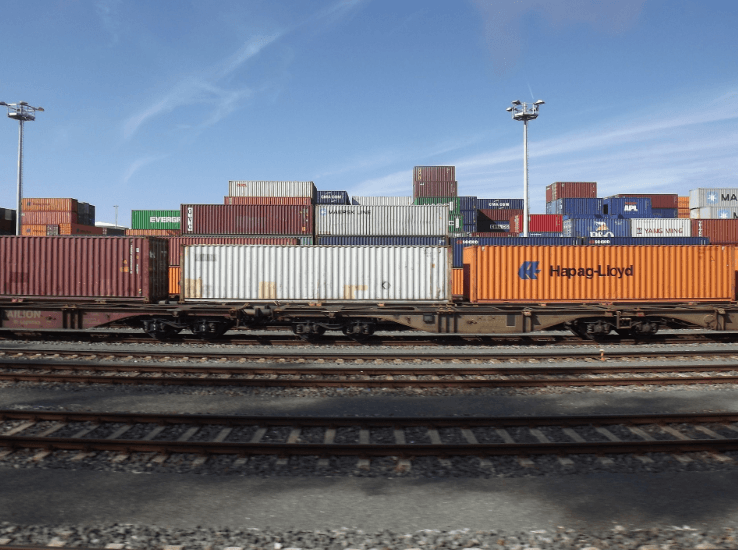
Industrial businesses depended on reliable transportation to move raw materials, construction supplies, agricultural products, and other bulk commodities between suppliers, processing facilities, and distribution centers. Choosing the right transportation method helped companies control shipping expenses, manage large shipment volumes, and maintain production schedules. Rail freight offered a practical solution for businesses moving heavy loads over long distances, particularly when shipments could be planned in advance.
Industry professionals such as Mike Ricklefs were associated with the freight sector, where transportation planning and coordination played important roles in moving goods efficiently. By evaluating shipment requirements, delivery timelines, and available transportation options, industrial businesses could determine when rail freight supported their operational needs.
Industrial shipments often involved large quantities of materials that needed to travel between mines, manufacturing facilities, warehouses, and construction sites. Moving these goods required transportation methods capable of handling substantial loads without creating unnecessary logistical complications. Rail freight provided an option for businesses that regularly transported heavy or bulk commodities along established rail networks.
One of the main advantages of rail freight was its capacity to transport large volumes of materials in a single movement. Industries that handled coal, minerals, grain, steel, and other bulk commodities often needed to move quantities that would otherwise require numerous individual truck shipments.
Rail transportation allowed businesses to consolidate these materials into suitable railcars and coordinate deliveries according to production or inventory requirements. This approach could reduce the number of separate vehicle movements needed for certain long-distance shipments.
Industrial businesses benefited from considering rail freight when:
These conditions helped companies determine whether rail transportation aligned with their cargo volume and handling requirements.
Rail freight was often considered for long-distance shipments because trains could carry substantial loads across established rail corridors. Businesses transporting industrial materials between regions could evaluate rail services alongside road transportation to determine which option best matched their delivery requirements.
For example, a manufacturer sourcing raw materials from a distant supplier might compare the cost of moving a large shipment by rail with the expense of arranging multiple truckloads. The decision would depend on the origin, destination, shipment volume, transfer requirements, and expected transit time.
Rail freight was not automatically the fastest option, but it could provide a practical transportation method for planned bulk movements. Businesses that understood their shipping patterns could incorporate rail into their wider logistics strategies and coordinate other transportation methods where necessary.
Transportation costs influenced purchasing decisions, production budgets, and the overall profitability of industrial operations. Businesses needed to evaluate more than the initial freight rate when choosing how to move bulk materials. Loading, unloading, storage, terminal handling, and delivery arrangements could all affect the final transportation expense.
Rail freight could offer cost advantages for certain high-volume, long-distance shipments. Moving large quantities together could help businesses distribute transportation expenses across a greater volume of cargo. However, the actual savings depended on the route, distance, shipment size, and availability of appropriate rail infrastructure.
Businesses compared rail and road transportation by examining the complete cost of moving materials from the supplier to the receiving facility. A lower rail rate might not produce overall savings if additional handling, storage, or first-mile and last-mile transportation expenses were substantial.
A useful cost comparison considered:
This broader evaluation helped industrial buyers avoid choosing a transportation method based on price alone. It also allowed them to identify routes where rail freight could provide practical financial benefits.
Businesses that regularly transported bulk materials often benefited from establishing predictable shipping schedules. When shipment volumes and delivery requirements remained relatively consistent, logistics teams could plan transportation needs further in advance and evaluate available service arrangements.
For example, an agricultural processor receiving grain throughout the year could forecast its expected material requirements and coordinate deliveries with suppliers. A manufacturer transporting minerals or industrial components could use similar planning to align incoming shipments with production schedules.
Mike Ricklefs and other professionals connected with freight coordination operated within an industry where planning, shipment requirements, and transportation options influenced logistics decisions. For industrial businesses, reviewing historical shipping volumes and expected demand helped create more realistic transportation budgets and reduce avoidable last-minute arrangements.
Industrial supply chains often connected multiple facilities, including raw material suppliers, processing plants, manufacturing locations, and distribution centers. Transportation delays or inconsistent deliveries could affect production and inventory availability. Rail freight could support these networks when businesses coordinated shipment schedules with their operational requirements.
Manufacturers needed sufficient raw materials to maintain production without accumulating excessive inventory. Transportation planning helped purchasing teams determine when supplies should leave the origin, how long deliveries might take, and when materials would be required at the receiving facility.
Rail freight could support this process when large shipments moved along established routes and delivery schedules could be coordinated in advance. Businesses also needed to account for terminal operations, potential delays, and the time required to transfer cargo to its final destination.
Effective planning included:
These steps helped companies align transportation activities with manufacturing requirements. They also reduced the risk of receiving materials too early or too late for planned operations.
Rail freight did not always provide direct access to the final delivery location. Some industrial facilities were located away from rail lines or lacked the infrastructure required to load and unload railcars. In these situations, truck transportation could connect the supplier, rail terminal, and receiving facility.
This combined approach was commonly described as intermodal or multimodal transportation, depending on how the shipment was organized. Businesses evaluated whether the advantages of rail transportation justified the additional transfers and coordination involved.
For example, a company could arrange for bulk materials to travel by rail over a long distance and then use trucks for delivery from a terminal to its plant. The effectiveness of this arrangement depended on terminal availability, cargo-handling requirements, transfer costs, and delivery deadlines.
By coordinating rail and road transportation carefully, industrial businesses could build logistics plans that reflected the strengths and limitations of each mode.
Although rail freight offered several benefits, it was not suitable for every shipment. Industrial businesses needed to understand its operational limitations before committing to a transportation arrangement. Route availability, infrastructure, transit schedules, and cargo-handling requirements all influenced whether rail was a practical choice.
Rail shipments depended on network schedules, terminal operations, and the availability of suitable railcars. Businesses moving time-sensitive goods needed to consider these factors when establishing delivery expectations.
Unlike some direct truck movements, rail shipments could involve terminal transfers or additional handling stages. These activities could increase the overall time required to move cargo from the supplier to the final destination.
Industrial logistics teams reduced uncertainty by confirming estimated transit times, allowing reasonable scheduling buffers, and maintaining communication with transportation providers. They also identified which materials required urgent delivery and which could move according to a longer planning cycle.
For goods that were not urgently needed, rail could fit well into a scheduled replenishment strategy. For emergency components or shipments with strict deadlines, another transportation method might be more appropriate.
Rail freight required suitable infrastructure at relevant points along the shipping route. Businesses needed to determine whether the origin and destination had rail access or whether terminal transfers would be necessary. They also had to confirm that the available railcars could accommodate the cargo’s weight, dimensions, and handling requirements.
Bulk materials sometimes required specialized equipment, including covered hoppers, open-top railcars, or other purpose-built containers. The correct choice depended on the material being transported and the protection it required during transit.
Before arranging rail freight, industrial shippers evaluated:
Addressing these considerations early helped businesses prevent avoidable delays and select transportation arrangements suited to their cargo.
The most effective transportation method depended on each shipment’s specific requirements. Rail freight could suit large, planned movements, while road transportation could offer greater flexibility for shorter routes, smaller quantities, or direct deliveries. Some businesses benefited from combining both methods rather than relying exclusively on one.
Industrial businesses improved logistics decisions by evaluating shipment size, distance, urgency, cost, and destination accessibility together. This process helped them understand where rail freight offered meaningful advantages and where another option better matched their needs.
A practical transportation review considered:
Businesses could then select arrangements based on operational requirements rather than assumptions about a particular transportation method.
Companies researching King of Freight could use these broader freight-planning principles to better understand the importance of matching shipment requirements with suitable transportation options. Careful coordination and clear communication helped businesses assess their choices and organize freight movements more effectively.
Transportation decisions required ongoing review because costs, demand, routes, and operating conditions could change over time. Businesses monitored delivery performance and compared actual transportation expenses with their original estimates to identify opportunities for improvement.
Useful measures included on-time delivery rates, total shipping costs, transit times, cargo-handling expenses, and the frequency of delivery disruptions. Reviewing these measures helped logistics teams determine whether their existing transportation strategy continued to meet business requirements.
Industrial companies could also discuss upcoming shipment volumes with suppliers and transportation providers to improve scheduling. Better forecasts gave all parties more time to arrange capacity, prepare facilities, and address potential logistical challenges.
Industrial businesses chose rail freight for bulk material shipments when its carrying capacity, route availability, and cost structure aligned with their operational needs. For large quantities of raw materials and other commodities, rail transportation could support long-distance movement and help companies organize recurring shipments. Its effectiveness, however, depended on careful consideration of transit times, terminal access, cargo requirements, and additional handling expenses.
Professionals such as Mike Ricklefs were connected with the freight industry, where transportation planning and coordination remained important to business logistics. By comparing rail freight with road and combined transportation options, industrial businesses could make informed decisions about moving bulk materials. Consistent performance reviews, realistic scheduling, and clear communication helped companies develop transportation strategies that supported their supply chains and long-term operational goals.