
Faced with two TP-Link routers that look similar but sit at very different price points, many buyers wonder whether the extra spend brings anything they will notice. The router price in Kenya rises with each added capability, yet a feature only earns its cost when your connection and home layout can actually put it to work.
A bigger budget is a smart move in some homes and wasted money in others. When the router price in Kenya you pay lines up with upgrades your network can use, you get steadier streaming and fewer weak rooms. Here is how to tell which upgrades deliver real gains and which mostly look impressive on the box.
The Hidden Mismatch between Router Cost and Real Speed
Your Internet Package Caps What Any Router Delivers: No router can push your internet faster than the package your provider sells you, so a premium model on a slow plan delivers roughly the same browsing speed as a cheaper one. The difference appears inside the home, where a stronger router moves files between devices faster and keeps more connections stable at once.
Underbuying Turns the Router into the Bottleneck: A router that is too basic for your plan becomes the slowest link once your household or fibre package grows. Network technicians who handle home set-ups regularly meet families who doubled their package speed and saw little change, because the old router could not keep pace. Each month it stays, the extra fees buy speed that never reaches your devices.
Router Upgrades Worth Paying For
Wi-Fi 6 Earns Its Cost in Device-Heavy Homes: Wi-Fi 6 is worth paying for when many wireless devices share one network. It manages crowded traffic better than Wi-Fi 5 and adds target wake time, which schedules when phones and smart gadgets check in so they spend less battery listening for data. Both gains depend on your own devices supporting Wi-Fi 6 too.
Gigabit Ports and Higher Wireless Ratings Support Faster Plans: Gigabit ports let a wired desktop or smart TV use the full speed of fibre packages above 100 Mbps. Wireless ratings such as AC1200 or AX3000 describe the combined theoretical capacity of both bands, so no single phone reaches that figure. A higher rating and extra antennas still give busy homes more headroom and a stronger signal through block walls.
See also: Why Learning Foreign Languages Is Valuable in Everyday Life
Four TP-Link Models and What Each One Delivers
The Jump from C64 to AX53 Suits Growing Households: The Archer C64 covers a small fibre home, pairing AC1200 Wi-Fi 5 with gigabit wired ports. The AX53 adds AX3000 Wi-Fi 6, which suits families with many phones and laptops online at once, and its extra outlay buys room for more devices rather than a quicker connection. For one or two people on a modest package, the C64 remains the sensible buy.
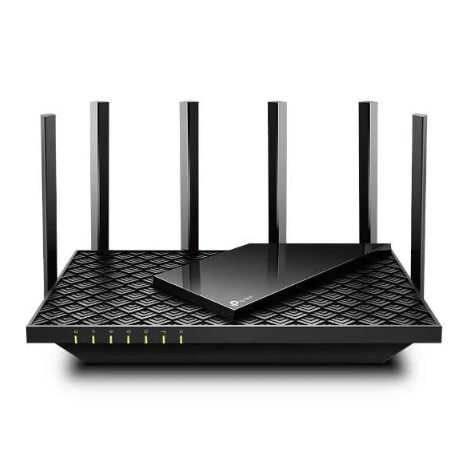
AX72 Adds Capacity for Large, Busy Homes: The AX72 justifies its higher cost over the AX53 mainly in large homes with heavy simultaneous use. Its AX5400 rating comes from four spatial streams on the 5 GHz band where the AX53 runs two, backed by six external antennas. In a small flat or on a slower package, that extra capacity mostly sits idle.
MR600 Charges for Mobile Internet, Not Wi-Fi Speed: The MR600 carries a premium because of its built-in 4G+ modem, not faster Wi-Fi. It supports Cat6 LTE downloads of up to 300 Mbps where signal allows, yet its wireless side is AC1200 Wi-Fi 5, the same class as the C64. It makes sense for homes beyond fibre reach and for renters who move often.
Getting Long-Term Value from a Bigger Router Budget
Real Demand Justifies the Higher Spend: A higher-priced router gives useful capability when your fibre package already runs above 100 Mbps or your household keeps adding devices. A single user streaming on one television rarely benefits from four-stream radios. Weighed against these conditions, the router price in Kenya becomes a measured decision that keeps your money on features your home will use.
Headroom and Genuine Stock Stretch the Value: A router bought with some headroom tends to stay useful through at least one package upgrade, spreading its cost over more years of service. Buying a genuine unit with local warranty cover protects that outlay further. Grey-market and counterfeit routers can carry the correct model name on the packaging yet offer no valid support when a fault appears.
Checks to Run before Spending Extra
A Short Checklist before Choosing a Model: A few quick checks at home show whether a pricier router will fix a real problem or simply add capacity nobody uses. These checks keep the router price in Kenya you pay linked to results you can measure rather than marketing figures. Note each answer, then compare models with that list beside you.
- Your package runs above 100 Mbps and the current router has slower ports.
- Several phones and laptops stay online together most evenings.
- Rooms far from the router regularly lose signal behind block walls.
- No fibre line reaches your home, which makes a 4G+ model the practical option.
Every Shilling Should Reach Your Devices
A router that matches your package and household turns extra spending into faster, steadier connections you notice every day. Holding off keeps you paying for speed that stops at an outdated box. Check the router price in Kenya against your own setup, then choose the TP-Link model that fits and place your order today.