
Have you ever stood in a room and noticed that the window covering looks slightly wrong, even if you cannot say why? Often the answer sits in the proportions. The louvres may be too narrow for the window, or the panels may split the view in an odd place.
Those details get decided long before installation day. When you order custom plantation shutters, you choose the louvre width, panel layout, colour, and mounting method. Each choice changes how the room looks and how much light comes in. Some people find this part enjoyable. Others would rather not think about it at all, which is understandable, though a few minutes of planning usually pays off.
How Louvre Width Changes Light and View
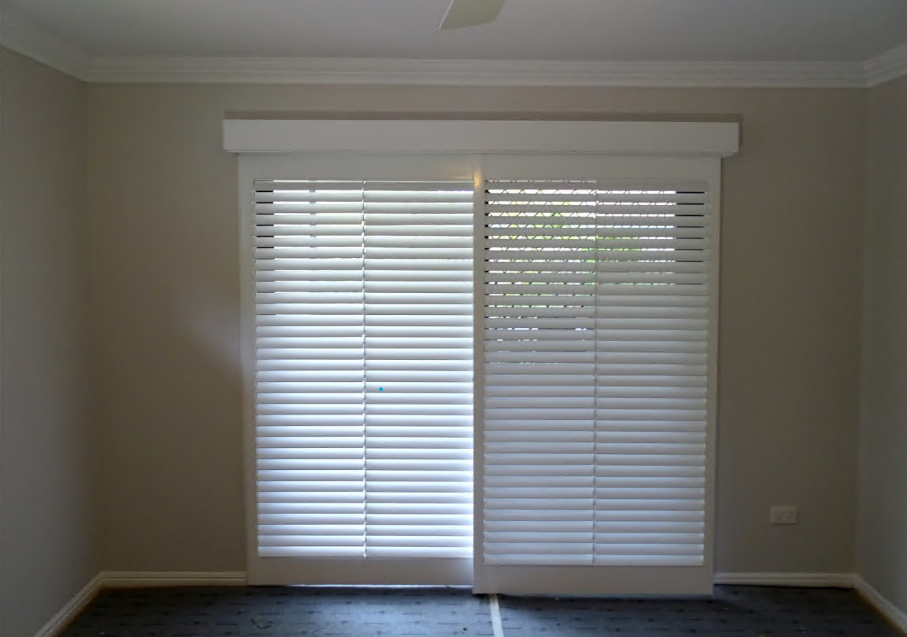
Louvres are the horizontal blades that tilt open and closed. Wider louvres leave bigger gaps when open, so you see more outside and less shutter. Narrower louvres suit smaller windows, where wide blades can look heavy.
Engineered Timber Shutters and Room Temperature
Material affects comfort as much as looks. Timber has lower thermal conductivity than metal and many plastics, so it passes heat more slowly. In practical terms, a closed timber shutter helps slow the heat coming through the glass on a hot afternoon. It will not replace air conditioning, perhaps, but many homeowners notice the difference in west-facing rooms.
See also: Why Learning Foreign Languages Is Valuable in Everyday Life
Shutter Colour Choice and Long-Term Finish
Colour feels like the easy decision, and then it turns out not to be. White and off-white remain the most common choices because they suit most interiors. Darker colours can work well in character homes, but they absorb more heat from the sun. The finish matters as much as the shade. A two-pack polyurethane coating gives a hard, even surface that resists scratches better than PVC and holds its colour for longer. Some timber shutters come with a 7-year coating warranty that covers fading, gloss loss and yellowing.
One more point in favour of timber: If you repaint your walls in ten years and the shutters no longer match, you can repaint a timber panel. A PVC panel generally cannot, since paint does not bond well to plastic.
Panel Layout for Wide and Tall Windows
Let’s break it down. The number of panels across a window affects both the view and the cost. Panels up to 1050 mm wide mean fewer vertical joins, so a large window looks less divided. Fewer panels also mean fewer hinges to adjust.
Tall windows bring a different question. Many shutters need a mid rail, which is a horizontal bar that splits the panel into a top and bottom section. A mid rail lets you open the lower louvres for privacy while keeping the top ones closed, or vice versa. Some people like that. Others prefer a clean, unbroken panel, and engineered timber panels can run past 1500 mm without one.
Frameless Mounting and Shallow Window Reveals
The reveal is the recess around the window, between the glass and the wall face. Older homes, and some newer ones, have very shallow reveals. Standard framed shutters can struggle to fit these openings.
A frameless design uses pivot hinges fixed at the top and bottom of each panel. It sits closer to the window and takes up less space, so it suits reveals that are around 30 mm deep. It also avoids the thick frame that covers part of the glass, which is a small detail you may not notice until it is missing.
Kits, Assembled Panels or Full Installation
Made-to-measure shutters are usually available in a few forms. The right one depends on your time, your tools and how confident you feel with a drill.
- Primed kits suit people who want to paint and assemble the panels themselves.
- Pre-painted kits remove the painting step but still need assembly.
- Assembled panels arrive ready to hang and can be collected or shipped.
- A supply and install service covers measuring, delivery and fitting.
Locally made shutters can be ready in 2 to 3 weeks, compared with 9 to 11 weeks for many imported products. Homeowners in the Gold Coast and Brisbane areas often get free measuring. Interstate buyers can order panels for self-installation, though careful measuring becomes even more important.
Next Steps Before You Order
Start with the room, not the shutter. Consider which way the window faces, how much afternoon light you want, and whether privacy matters more at the bottom of the window than the top. Then measure the reveal depth, since that decides the mounting method.
Once you have those answers, the louvre size and colour usually become easier to choose. A supplier who checks your measurements before production can also flag anything unusual. That review step is worth asking about, because a panel made to the wrong size is difficult to fix later.