
A lintel that is two inches short, a stock bracket that misses the bolt pattern or a stair kit that will not fit the opening can stall on ongoing project for days. Builders and property owners turn to steel fabrication in Ontario to avoid the fit problems catalogue parts create, because each piece is made to the measurements taken on site.
Fabricated steel covers far more than beams and columns. It includes the stairs, railings, brackets, frames and one-off parts that make a building or property work day to day. Reliable steel fabrication in Ontario handles a single replacement part and a large repeat order with the same cutting, fitting and welding standards, so the finished work matches the drawing.
Stock Steel Parts Rarely Match Real Site Conditions
Fixed Sizes Meet Variable Openings: Stock steel components come in set lengths, gauges and hole patterns, while real openings and foundations seldom match those numbers. An older house may have a sagging header, and a commercial unit may have columns out of line. Forcing a standard part into that space means field cutting, extra holes or shims the part was not designed for.
Site Modifications Add Weak Points: Cutting and rewelding a stock part often takes longer than fabricating the right part, and the piece may lose its rated capacity. In everyday fabrication work, shops routinely see contractors who bought catalogue railing kits, then paid for a second visit when nothing lined up. An inspector may reject altered steel, and each delay holds up the trades booked after it.
See also: How an All-in-One Platform Can Simplify Device Lifecycle Management
Structural, Miscellaneous and Custom Steel Fill Different Roles
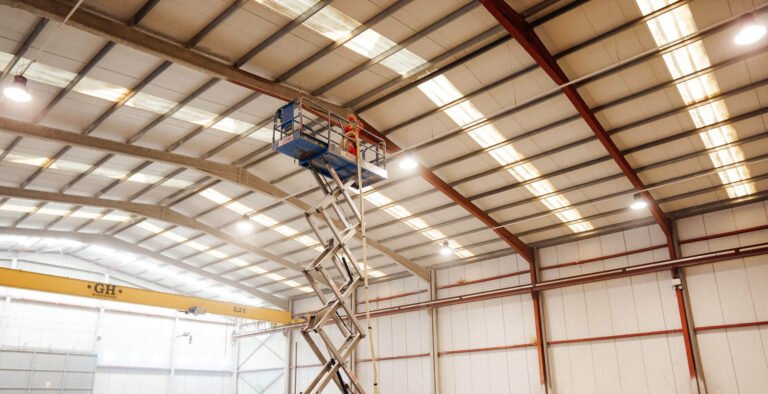
Beams, Columns and Lintels Carry the Load: Structural steel is the load-bearing frame of a building, including beams, columns, posts and connection plates. Smaller structural projects like a lintel for a new window or a beam for an opened-up wall need the same fit and weld quality as larger frames. Weld metal shrinks as it cools, so planning the weld sequence controls residual stress and keeps long members straight.
Non-Structural Steel Shapes Daily Use: Miscellaneous steel is the non-structural steel in a building, such as stairs, railings, ladders, bollards and embedded plates. Custom components cover everything else, from a machine guard or equipment frame to a gate or a replacement part that is no longer sold. These parts decide how safely and easily a space works every day.
Matching Order Size to the Right Approach
Where Stock Steel Still Wins: Stock steel parts make sense when a standard size fits exactly, since they are usually cheaper and available the same day. Custom fabrication costs more per piece and takes longer, but it fits first time and follows the drawing. Steel fabrication in Ontario can also combine both, turning stock tube or angle into a custom assembly.
One-Off Parts Start from a Sketch: A one-off steel part can be fabricated from a sketch, a photo of the broken original or a set of measurements. The design is drawn and sent as a proof, then cut on a CNC plasma table that handles plate up to one inch thick. Fit-up and welding follow, and the part is checked against the approved design before it leaves.
Bulk Orders Depend on Repeatable Setups: Bulk orders stay consistent because every part is cut from the same CNC file and welded in the same fixture, a jig that holds each piece in position. This approach to batch production keeps hole spacing and dimensions matched across the whole run. Nesting parts closely on each sheet also cuts waste and can lower the cost per piece on larger orders.
Steel Matched to Its Setting Lasts Longer
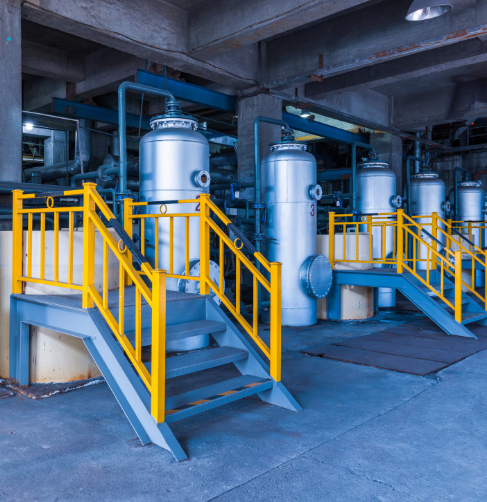
Industrial and Commercial Parts Must Be Repeatable: Industrial and commercial sites need steel that stands up to forklifts, vibration and heavy traffic, and that can be reproduced when a part wears out. Equipment frames, platforms and loading-dock repairs fall in this group. A shop with more than 26 years of metalwork and over 30,000 projects and parts delivered knows where these parts tend to fail.
Institutional and Residential Steel Serve Different Users: Institutional buildings such as schools and community centres need handrails, guards and stair parts built to the approved drawings and ready for inspection. Residential work leans towards gates, fencing, railings and smaller structural repairs, where appearance matters as much as strength. A powder-coated finish, baked on rather than brushed on, holds up through Northern Ontario winters with basic care.
Planning Points for a Smooth Fabrication Order
Clear Information Shortens the Quote: A fabrication quote is faster and more accurate when the shop knows the dimensions, material, finish and quantity from the start. Good steel fabrication in Ontario depends on that information to price the job fairly and plan cutting time. The points below help any project, from a single bracket to a structural package.
- Site measurements are more reliable than old plans, which often miss later renovations.
- Stating the quantity up front lets the shop choose between one-off fitting and a repeatable fixture.
- Naming the finish early helps planning, since powder coating adds a step after welding.
- Structural parts should come with the engineer’s drawings, because a fabricator builds to the design rather than creating it.
Built to Your Drawing, Sized to Your Project
Fabricated steel fits the opening, carries the load it was drawn for and lasts through years of Northern Ontario weather. Each week spent forcing stock parts into place adds labour, rework and the risk of a failed inspection. Send your drawings or measurements and request a quote for steel fabrication in Ontario matched to your project.